
What is an AI Agent?
To understand the real power of today’s virtual assistants, we first need to clarify the concept of an AI Agent. In artificial intelligence, an AI Agent is an intelligent entity that can perceive its environment, make decisions, and take actions to achieve specific goals. Unlike traditional software programs that operate based on fixed, pre-defined rules, an AI Agent can learn, adapt, and solve problems in a flexible way.
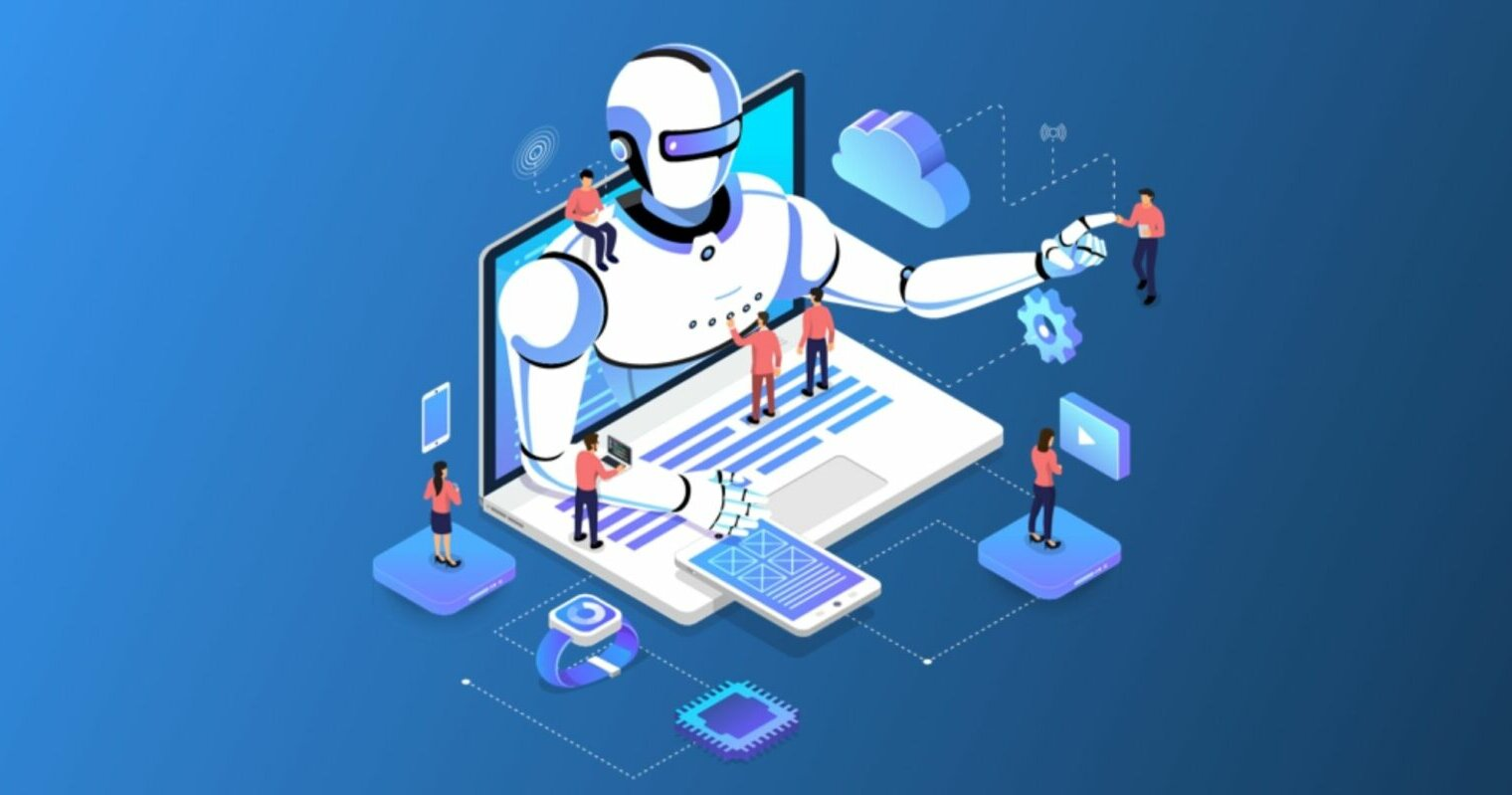
You can think of an AI Agent as a “virtual employee” that can handle many different tasks – from simple ones like answering FAQs or booking appointments, to more advanced work such as analyzing data, giving strategic recommendations, or even automating parts of the decision-making process.The biggest difference between an AI Agent and a traditional chatbot lies in autonomy and proactiveness. While a typical chatbot only responds based on pre-defined scripts, an AI Agent can actively look up information, assess the situation, and take appropriate actions without requiring human intervention at every step.
Advantages and role of today’s virtual assistants
Modern virtual assistants bring several key benefits to businesses, including:
Optimizing efficiency and productivity:
With the ability to operate 24/7 without interruption, virtual assistants free people from repetitive, time-consuming tasks. Employees can focus on more strategic work that requires creativity and complex thinking. This leads to a significant increase in overall productivity and operational efficiency.
Enhancing customer experience
Virtual assistants can provide fast, always-on customer support. Their ability to respond instantly, answer questions, and guide customers on how to use products or services helps improve customer satisfaction and loyalty.
Reducing operational costs
Compared to hiring additional staff, deploying virtual assistants can help businesses significantly reduce costs, especially in functions like customer service, administration, and HR.
Personalized interactions
With the ability to analyze data and learn from past conversations, virtual assistants can deliver highly personalized experiences for each customer. From recommending the right products and presenting tailored offers, to adapting their tone of voice, everything is geared toward building stronger, long-term customer relationships.
Data-driven decision support
AI Agents can quickly and accurately collect, analyze, and process large volumes of data. This information can then be used to make better business decisions — from forecasting market trends and optimizing marketing campaigns to managing risk more effectively.
Challenges in adopting virtual assistants
Alongside these significant advantages, implementing virtual assistants also presents a number of challenges:
Complexity and implementation cost
Building and deploying AI Agents – especially more complex systems – requires significant investment in budget, talent, and technology. Integrating virtual assistants into a company’s existing systems can also be technically challenging.

Handling out-of-scope situations
Although AI Agents are becoming increasingly intelligent, they can still struggle with unexpected scenarios that fall outside their training scope. This may result in a poor user experience if there is no timely human intervention.
Security and privacy concerns
Modern virtual assistants often collect and process large volumes of user data, including sensitive personal information. As a result, data security and privacy have become major concerns, requiring businesses to implement strict protection measures.
Skills and training requirements
To fully leverage the power of virtual assistants, employees need to be trained on how to interact with, manage, and supervise these systems. At the same time, businesses must build an internal team with the right capabilities to develop, maintain, and continuously improve their AI Agent systems.
Legal and ethical challenges
As AI Agents become more powerful and autonomous, questions around legal responsibility and ethics also arise. For example: Who is accountable if a virtual assistant makes a wrong decision that leads to negative consequences? How can we ensure that AI Agents operate fairly, without bias, and do not violate social or ethical norms?
Opportunities for businesses adopting virtual assistants
Beyond the challenges, the potential that modern virtual assistants bring to businesses is enormous. In the near future, we can expect the following opportunities:
- Strengthening competitive advantage: Businesses that are early adopters of AI Agents will gain a significant edge over their competitors. The ability to automate workflows, optimize costs, enhance customer experience, and make data-driven decisions will help them operate more efficiently, respond faster to market changes, and capture market share.
- Scaling the business more easily: Virtual assistants enable companies to scale their operations quickly and efficiently. Their capacity to serve a large number of customers simultaneously, operate 24/7, and automate many tasks helps reduce pressure on internal resources so the business can focus on expanding into new markets.
- Creating new products and services: AI Agent technology not only improves existing processes but also opens up opportunities to build completely new products and services. For example, virtual assistants can be embedded into products to provide intelligent features, personalize user experiences, or power specialized advisory and support services based on AI.
- Accelerating digital transformation: Adopting virtual assistants is a key milestone in a company’s digital transformation journey. It is not just about implementing new technology, but also about changing mindsets, processes, and ways of working. Organizations that successfully deploy AI Agents will build a solid foundation for continuous innovation and growth in the digital era.
Leading AI virtual assistant companies and brands worldwide
The virtual assistant market is growing rapidly, with many of the world’s leading technology companies joining the race. Some of the most notable names include:
- Google Assistant: Google’s virtual assistant, deeply integrated into the Android ecosystem, Google Home smart devices, and many other platforms. Google Assistant is known for its strong natural language processing, information retrieval, and smart device control capabilities.
- Amazon Alexa: Amazon’s virtual assistant, widely used on Echo devices and Fire TV. Alexa focuses on voice control, online shopping, and tight integration with Amazon’s services.
- Apple Siri: The default virtual assistant on Apple devices, from iPhone and iPad to Mac. Siri is recognized for its natural interaction, support for basic tasks, and deep integration with the Apple ecosystem.
- Microsoft Cortana: Microsoft’s virtual assistant, integrated into Windows 10, Microsoft 365, and Xbox. Cortana focuses on work support, schedule management, and personalized information.
- IBM Watson Assistant: IBM’s enterprise-grade virtual assistant platform, notable for its high level of customization, security, and ability to integrate with complex enterprise systems. Watson Assistant is widely used in sectors such as customer service, finance, and healthcare.
- Nuance Conversational AI: A company specializing in speech recognition and natural language technologies, providing virtual assistant solutions across multiple industries, especially healthcare and finance.
- Salesforce Einstein: The AI platform embedded into Salesforce’s CRM, delivering intelligent virtual assistant capabilities for sales and customer service teams.
Beyond these, there are many other companies and startups building modern virtual assistants with unique features and use cases, promising to reshape how we interact with technology in the future.
Virtual assistants built on AI Agent platforms are opening a new chapter for businesses in the digital era. Despite existing challenges, the potential and opportunities they bring are undeniable. Companies that successfully embrace this trend and deploy virtual assistants into their operations will gain a significant competitive advantage, improve operational efficiency, and create greater value for their customers.
If you want to explore how modern virtual assistants can power your business, contact Easy AI Chat today to experience our latest AI Agent solutions: [https://geteasy.ai/]